What to know about rubbish collection delays in Central London
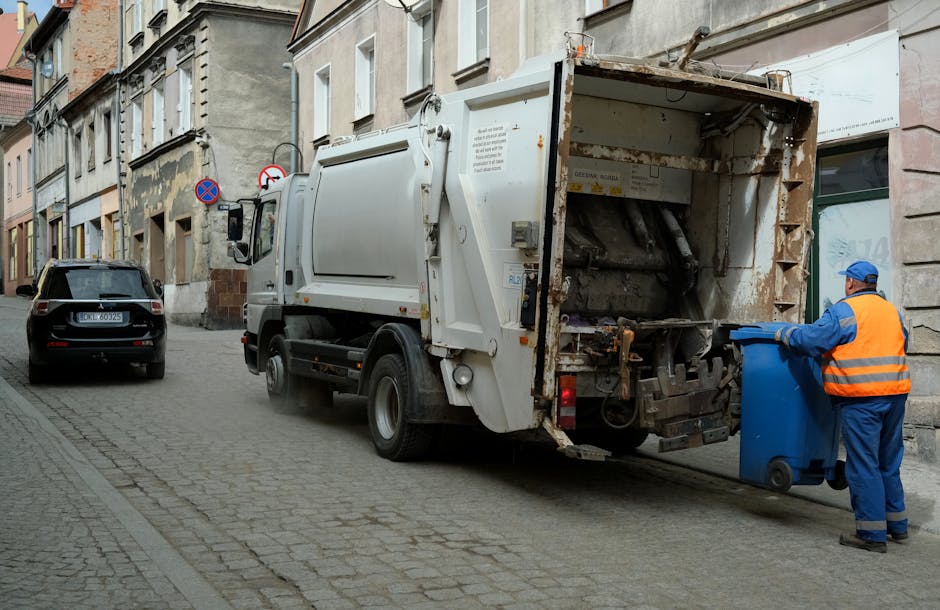
If you live, work, or manage property in the centre of the capital, rubbish collection delays in Central London are one of those annoyances that can turn into a proper headache fast. One missed collection can mean overflowing bins, odours in a shared hallway, complaints from neighbours, and a real knock-on effect for shops, offices, and residential blocks. Central London is busy at the best of times, so when waste piles up, you feel it immediately.
This guide explains what delays usually mean, why they happen, how to respond, and what sensible steps actually help. We'll also cover common mistakes, practical checklists, and what to look for if you're trying to choose a better waste management approach for a busy London setting. Nothing fluffy. Just the useful bits.
In short: if you understand the causes, keep records, communicate early, and plan for the realities of Central London access, you can usually avoid a lot of stress. Not always. But a lot of it.
Why rubbish collection delays in Central London matter
Central London has a very particular rhythm. Roads are tighter, loading bays are limited, traffic is unpredictable, and many buildings rely on precise bin storage and access arrangements. So when a collection is delayed, the impact is often bigger than it would be elsewhere. A one-day delay in a quiet suburban street might be a nuisance. In the West End, the City, or around busy mixed-use blocks, it can become a visible problem in a matter of hours.
There are also practical knock-on effects. Waste left sitting too long can attract pests, create smells, and make shared spaces unpleasant. For businesses, that can affect customer perception. For residential buildings, it can create tension between tenants, managing agents, and residents. And to be fair, nobody wants to step out on a Monday morning and meet the smell of warm bin bags in a service corridor.
There's a broader operational angle too. If you run a venue, office, restaurant, hotel, or apartment block, delays can disrupt bin capacity, collections planning, and staff routines. That means more time spent moving waste around, more temporary storage pressure, and sometimes extra uplift costs if the backlog becomes severe.
In a place as dense as Central London, rubbish delay management is really about continuity. The goal is not just to "get the bins emptied"; it's to keep your site clean, compliant, and workable day after day.
How rubbish collection delays in Central London works
Most collection delays happen because the route, the access, or the service conditions changed. That sounds simple, but in practice there are plenty of moving parts. Collections may be affected by traffic congestion, road closures, permit restrictions, vehicle access issues, missed bin presentation times, staff shortages, or an issue with the waste type being placed in the wrong container.
In Central London, timing matters more than people often realise. A collection crew may have a narrow window to access a street or loading bay. If the truck can't stop safely, if a shared entry gate is locked, or if bins are not ready when the crew arrives, the collection may be postponed. Not because the waste "isn't important", but because the operation has to move on.
Delays can also happen when waste streams are mixed up. General waste, recycling, food waste, and commercial waste often have different requirements. If a load is contaminated or contains the wrong materials, it may be rejected or left behind. That's frustrating, but it is a common reason why a property thinks a collection has been missed when, in fact, the service was interrupted by an issue on site.
Another thing people underestimate is communication. If a site manager notices access problems early and flags them, the provider may be able to reschedule, adjust collection timing, or provide a temporary solution. If nobody says anything until the bins are already overflowing, the fix becomes much harder. Simple, but true.
For businesses with ongoing waste needs, a more structured arrangement often helps. Some sites benefit from a tailored commercial waste service rather than treating collections as an afterthought. In busy areas, the difference between "good enough" and "well managed" can be surprisingly small on paper, but huge in day-to-day reality. If you are exploring broader service options, a page like commercial waste disposal in London can give you a sense of how a planned service is typically set up.
Key benefits and practical advantages
It may seem odd to talk about "benefits" in relation to rubbish delays, but there are real advantages to handling them well. The benefit is not the delay itself, obviously. It's what happens when you respond in a calm, organised way instead of waiting for the situation to snowball.
- Cleaner shared spaces: Faster action keeps smells, spill risk, and pest attraction down.
- Better resident or customer experience: People notice when waste is managed properly. They notice when it isn't, too.
- Fewer complaints: A well-handled delay can prevent frustration from escalating into repeated disputes.
- More predictable operations: Staff can plan around collections rather than constantly improvising.
- Lower chance of overflow issues: When bins are emptied on time, you reduce the need for emergency storage.
- Stronger compliance position: Keeping records and showing due care helps if there is ever a question about site management.
There is also a subtle but important reputational benefit. In Central London, appearance matters. Overflowing bins outside a storefront, hotel, or office entrance can undermine confidence very quickly. A clean site suggests control, even if the back-end logistics are a bit messy on occasion.
Practical takeaway: good delay management is less about perfection and more about responsiveness. The fastest fix is usually the one you have already planned for.
Who this is for and when it makes sense
This topic matters to a surprisingly wide group of people. If you manage a block of flats in Westminster, run a cafe in Soho, oversee an office near the Strand, or look after a serviced property in Holborn, you're likely to run into the same core challenge: waste has to leave regularly, safely, and without causing disruption.
It also matters to landlords, facilities teams, managing agents, concierge staff, retail managers, and hospitality operators. Even homeowners in shared buildings can end up dealing with collection delays if the bin store is communal or access is restricted. A small issue in one property can affect everyone else in the building. That's usually how these things go.
It makes sense to focus on this if you've noticed any of the following:
- Bins regularly remain full after scheduled collection days
- Residents or staff keep reporting smells or litter around bin areas
- Collections are missed because access is difficult or inconsistent
- Your waste volume has increased but the collection schedule hasn't changed
- You are preparing for a busy period, event, refurbishment, or seasonal uplift
Sometimes the question is not "Why was this collection delayed?" but "Is this arrangement still the right one for our site?" That's a better question, frankly. It gets you closer to the real fix.
Step-by-step guidance
If you're dealing with rubbish collection delays in Central London, a measured process works better than panic. Here's a practical way to handle it.
1. Confirm what actually happened
Before assuming the collection was simply missed, check the basics. Was the bin presented correctly? Was the access gate open? Was the waste in the right container? Was there a note, email, or driver message explaining the issue? Small details matter.
2. Record the date, time, and nature of the delay
Keep a simple log. Note what was due to be collected, what remained, and any visible condition of the site. A few photos can be helpful, especially if the issue repeats. You don't need an elaborate system. A clean record is enough.
3. Check for site-specific causes
In Central London, delays often come down to access. Think about loading restrictions, narrow streets, concierge handovers, locked gates, or bin placement. If the collection vehicle had to wait, reverse, or skip the stop, that may explain a lot.
4. Separate a one-off issue from a pattern
One delay happens. Repeated delays mean the system needs work. If the problem shows up every few weeks, look at capacity, timing, waste segregation, or the collection frequency. That's where the real conversation begins.
5. Communicate early and clearly
Use clear language: what was missed, what is still on site, what access is available, and what urgent risk exists. If there is food waste or a public-facing bin area, say so. It helps the provider prioritise properly.
6. Put a temporary control measure in place
Move overflow waste to secure storage if possible, close lids, keep the area tidy, and avoid overfilling. If litter is escaping, contain it immediately. The point is to prevent a bad day from becoming a worse one.
7. Review the long-term fix
Once the immediate issue is sorted, step back and ask whether the service, container type, collection window, or staffing process needs adjusting. This is where a planned waste arrangement can save time in the long run.
If your site generates mixed waste streams or you're trying to streamline the process across multiple bins, it can help to compare the service against a broader local setup such as commercial waste disposal in London. The exact fit depends on your property, of course, but the right structure matters more than people think.
Expert tips for better results
In busy parts of London, the best waste systems are usually the ones that remove friction before it becomes a problem. That sounds obvious. Still, people miss it all the time.
- Build your collection around access, not just volume. If the truck cannot reach the bin area reliably, extra capacity will not solve much.
- Match bin size to real waste output. Many sites underestimate how much waste builds up during peak periods or after deliveries.
- Use a predictable presentation routine. The same person, the same time, the same process. Boring works.
- Keep a back-up storage plan. Even a small temporary holding area can make a difficult week manageable.
- Separate recyclables properly. Contamination is one of the most avoidable reasons for collection issues.
- Train new staff and concierge teams early. A handover missed by one person can affect the whole site.
A good rule of thumb: if the collection relies on memory alone, it will eventually fail on a wet Wednesday when everyone is rushing and somebody forgot the gate code. That's London for you.
Another useful tip is to review seasonal patterns. Christmas trading, summer tourism, construction works, and refurbishment periods all change waste volume. What worked in March may not work in December. Quite normal, really.
Common mistakes to avoid
Most persistent rubbish collection problems come from a handful of avoidable mistakes. Some are operational. Some are just human nature.
- Assuming every delay is the provider's fault: Sometimes the issue is access, presentation, or contamination on site.
- Ignoring repeated minor delays: Small problems tend to become bigger ones if nobody tracks them.
- Overfilling bins: This makes collections harder and can create safety and cleanliness issues.
- Failing to brief staff: If one team member knows the system and everyone else guesses, delays are almost guaranteed eventually.
- Not checking collection windows: In Central London, timing windows can be tighter than people realise.
- Leaving spill response too late: A small mess left overnight is usually worse in the morning, and not by a little.
One surprisingly common mistake is treating waste management like a background admin task. It isn't. On busy central sites, it's part of the building's daily rhythm, just like deliveries or cleaning. Get it wrong and everybody notices.
Tools, resources and recommendations
You do not need fancy software to manage collection delays well, but a few simple tools make life easier. A shared log sheet, a photo record on your phone, and a clear site map of bin locations can solve more problems than a lot of expensive systems.
Useful practical tools include:
- A collection diary: Track dates, times, missed pickups, and follow-up actions.
- Site access notes: Record gate codes, loading arrangements, and permitted stopping points for relevant staff.
- Waste stream labels: Clear labels reduce contamination and confusion.
- Storage capacity checklists: Useful before holiday periods, events, or refurbishments.
- Contact escalation list: Make sure the right person can raise urgent issues quickly.
Recommendations are more effective when they are specific to the property. A restaurant near Covent Garden needs a different rhythm from a small office near Fleet Street. There is no one-size-fits-all answer, and anyone pretending otherwise is probably oversimplifying things.
For businesses comparing service levels, it can be helpful to review waste arrangements alongside the rest of your site maintenance plan. If you already have cleaning schedules, concierge routines, or FM workflows, bring waste into the same conversation rather than leaving it in a separate bucket. Pun intended, sorry.
Law, compliance, standards, and best practice
Waste handling in the UK sits within a broader compliance context, and while this article is not legal advice, it is wise to treat rubbish delays as more than an inconvenience. Businesses and property managers generally have duties to store waste safely, present it correctly, and avoid creating nuisance or hazards. Exact obligations can vary depending on the type of property, the nature of the waste, and local arrangements.
Best practice usually includes:
- Keeping waste contained and secure
- Separating waste streams correctly
- Preventing overflow and litter escape
- Maintaining clean storage areas
- Using reliable records for collections and incidents
- Ensuring staff understand site-specific procedures
Where commercial waste is involved, it is especially important to avoid mixing materials that should be handled separately. Food waste, recyclables, general waste, and any specialist waste each need the right treatment. If in doubt, get clarity before the bins fill up. That one habit avoids a lot of awkward conversations later.
In practical terms, compliance is not just about rules on paper. It is also about showing that your site takes reasonable care. If there is a recurring problem, a simple paper trail of what happened, when it happened, and how you responded can be very useful.
Options, methods, and comparison table
When dealing with rubbish collection delays, there are usually a few ways to respond. The right choice depends on the cause, the urgency, and how much waste your site produces. Here's a straightforward comparison.
| Approach | Best for | Strengths | Limitations |
|---|---|---|---|
| Wait for the next scheduled collection | Minor, one-off delays with low waste volume | Simple, low effort | Can be risky if bins are already near capacity |
| Escalate with clear evidence | Missed pickups, repeated delays, unclear issues | Helps identify root cause faster | Requires good records and quick action |
| Adjust collection timing or frequency | Busy sites with predictable waste build-up | More stable, less overflow risk | May need contract review or operational change |
| Improve on-site storage and access | Properties with access bottlenecks | Reduces recurring disruption | Can require physical changes or staff training |
| Rework waste segregation and presentation | Sites with contamination or bin misuse | Often a low-cost fix | Needs consistent staff compliance |
The table makes one thing pretty clear: if a delay keeps happening, the answer is rarely "just wait and hope." It's usually a mix of access, capacity, and process. Sometimes all three. And sometimes the culprit is something small, like a bin parked just a bit too far from the loading point. Annoying, but fixable.
Case study or real-world example
Imagine a mixed-use building in Central London with ground-floor retail, office tenants above, and a shared waste store at the rear. Collections were mostly fine in quieter months, but by late autumn the bins were overflowing before the next pickup. Staff kept assuming the provider was missing collections, yet the real issue was more complicated.
The rear access gate was being left locked after deliveries. Recycling bins were sometimes filled with general waste. And because two tenants had increased their output, the site was producing more waste than the original bin capacity could comfortably handle. In other words, several small issues were stacking up into one visible headache.
Once the managing agent reviewed the process, they changed the access handover, relabelled the bins, improved staff briefing, and adjusted the collection rhythm. The result was not magic. Just less friction. Fewer complaints, cleaner storage, and no more surprise overflow first thing on Monday morning.
That's the pattern you see again and again. The best fix is rarely dramatic. It is usually careful, practical, and a bit boring. Which, honestly, is what good waste management should be.
Practical checklist
Use this checklist when a rubbish collection delay happens in Central London. It is simple on purpose.
- Confirm the scheduled collection date and time
- Check whether bins were presented correctly
- Review access, gates, loading points, and parking restrictions
- Look for contamination or wrong waste streams
- Record what remains on site and take photos if useful
- Notify the relevant provider or site contact promptly
- Secure overflow waste to avoid litter or pest issues
- Brief staff, residents, or tenants if the delay affects shared areas
- Follow up if the issue repeats
- Review whether the collection frequency still matches actual waste output
Quick rule: if it looks like the delay will cause an overflow within a day, treat it as urgent. Don't wait for it to become a complaint.
Conclusion
What to know about rubbish collection delays in Central London comes down to this: delays are common enough to plan for, but they do not have to turn into constant disruption. The properties that cope best are the ones that treat waste as an operational priority, not a background nuisance. They track issues, understand access constraints, brief staff properly, and adjust quickly when the system stops working.
If you only take one thing from this guide, let it be this: the sooner you identify the real cause, the easier the fix. Missed pickup, access problem, contamination, volume change, or timing mismatch - each needs a different response. Once you know which one you're facing, you can act with a lot more confidence.
If your site is struggling with regular delays, the next sensible step is to review your current waste setup and compare it with a more structured service approach. A little planning now can save a lot of hassle later.
Get a free quote today and see how much you can save.
Frequently Asked Questions
Why do rubbish collection delays happen more often in Central London?
Because the area is dense, busy, and highly constrained. Traffic, limited loading space, access controls, and tight collection windows all make delays more likely than in less crowded locations.
What should I do first if my bins are not collected?
Check whether the bins were presented correctly, confirm access was available, and note the date and time. Then contact the relevant waste provider or site manager with clear details rather than a vague complaint.
How do I know whether it was a missed collection or a site issue?
Look at the basics: gate access, bin placement, waste segregation, and any notices left at the site. If those are all fine, the issue may be with the collection itself. If not, the cause may be on-site.
Can delayed rubbish collections lead to compliance problems?
Potentially, yes. Overflow, poor storage, contamination, and nuisance can create avoidable issues. Exact obligations depend on the setting, but safe storage and proper handling are always sensible best practice.
How long should I wait before escalating a delay?
If the delay is creating overflow risk, smells, or access problems, escalate it the same day. If it's a minor one-off issue with enough capacity on site, you may be able to wait for the next collection while monitoring closely.
What is the most common cause of repeated rubbish delays?
In many Central London sites, the most common causes are access problems, poor bin presentation, or waste volumes that no longer match the collection schedule. Repeated delays usually signal a systems issue rather than bad luck.
Should I keep records of every missed collection?
Yes. A simple log with dates, times, photos, and follow-up notes can be very helpful. It makes recurring issues easier to diagnose and helps you explain the problem clearly if you need to escalate.
Do recycling and general waste need to be handled differently?
Usually, yes. Different waste streams often have different collection requirements, and contamination can cause problems. Clear labelling and staff briefing make a real difference here.
How can I reduce the chance of overflow during a delay?
Keep lids closed, use secure temporary storage if available, remove litter quickly, and review whether your bin capacity is still realistic for your waste output. A little breathing room in the system helps more than people expect.
Is it worth changing my waste collection arrangement if delays keep happening?
If delays are recurring, yes, it is worth reviewing the arrangement. The issue may be collection frequency, access timing, container type, or site procedures. If one piece keeps failing, the whole setup becomes fragile.
Can better staff training actually reduce waste delays?
Absolutely. A lot of delays are made worse by inconsistent presentation, poor handovers, or mixed-up waste streams. Good staff training won't solve traffic, but it can remove several common causes at once.
What should a good waste management plan include for Central London?
It should include access notes, bin locations, collection times, contact escalation steps, waste separation rules, and a back-up plan for busy periods. The more central the site, the more useful that structure becomes.